
Hgv driving licence
Hgv driving licence: is a professional qualification that allows individuals to operate heavy goods vehicles used for transporting freight and large commercial loads. HGV stands for Heavy Goods Vehicle, although it is also commonly referred to as an LGV (Large Goods Vehicle) licence. This licence is essential for anyone seeking employment as a lorry or truck driver within the logistics and transport industry.
To obtain an HGV driving licence, applicants must first meet basic eligibility requirements. You must be at least 18 years old, hold a full car driving licence, and pass a medical examination to ensure you are fit to drive larger vehicles safely. The medical assessment checks eyesight, general health, and any conditions that could affect driving ability.
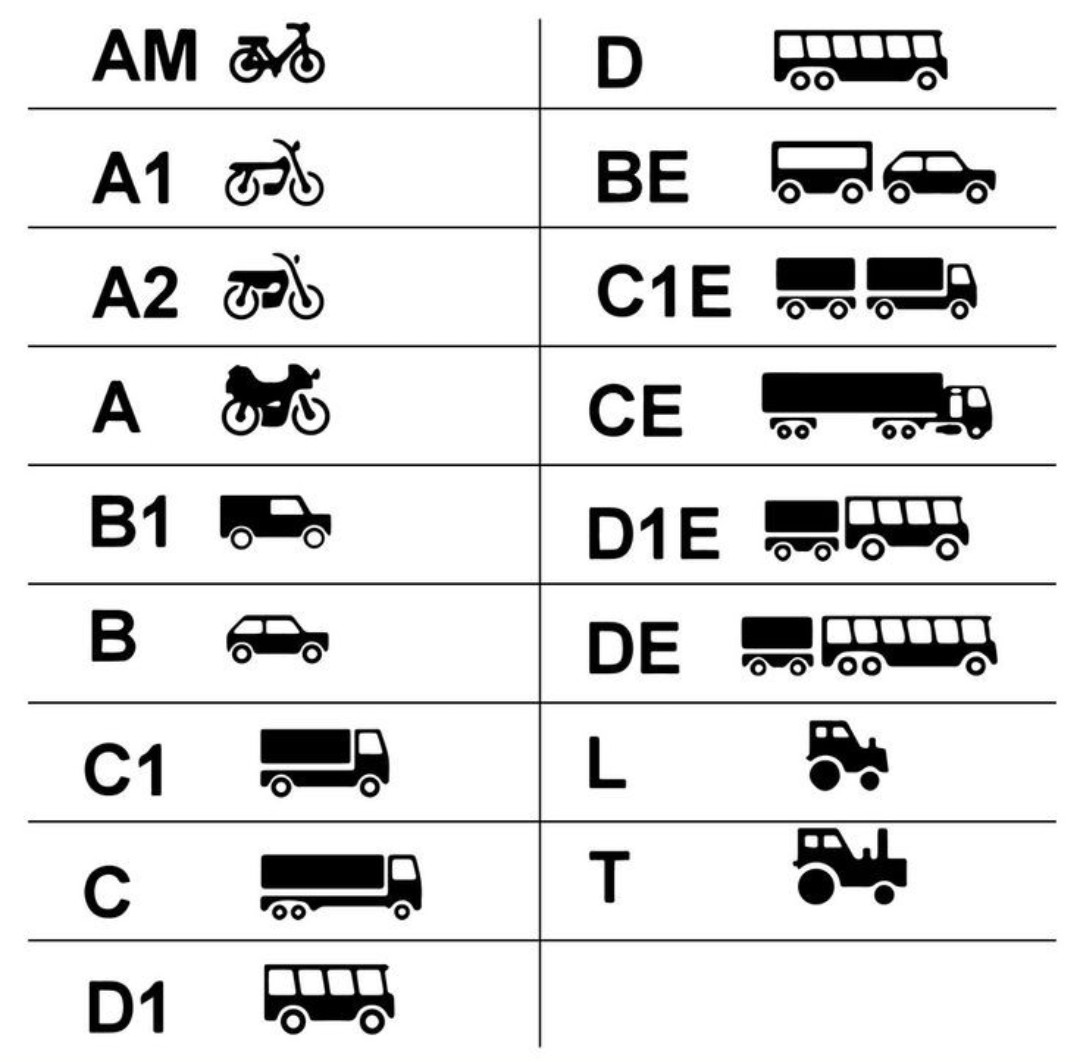
Once these requirements are met, you apply for a provisional HGV licence. This allows you to begin training for the specific category you want, such as Category C (rigid vehicles) or Category C+E (articulated lorries). Each category determines the type of vehicle you are legally allowed to drive.
Training involves both theory and practical elements. The theory test includes multiple-choice questions and hazard perception exercises that assess your understanding of road safety, traffic laws, and vehicle handling. After passing the theory test, you move on to practical training with an approved instructor.
During practical lessons, you learn essential skills such as vehicle control, reversing, coupling trailers, and safe driving in different road conditions. Once your instructor believes you are ready, you take the final practical driving test.
After successfully passing all tests, you are awarded your full HGV driving licence. Many drivers also complete the Driver Certificate of Professional Competence (CPC), which is required for professional driving work.
Overall, an HGV driving licence offers strong job prospects, competitive salaries, and high demand across the UK transport sector.