How much does powered access licence cost UK
How much does powered access licence cost UK:
The cost of obtaining a powered access licence in the UK can vary depending on several factors, including the type of course, training provider, and location. Most people gain this qualification through courses approved by the International Powered Access Federation, which ensures that operators meet recognised safety standards when working at height.
On average, a powered access licence costs between £150 and £300 for a standard operator course. This price usually covers training on common machine categories such as scissor lifts (3A) or boom lifts (3B). If you choose to train on just one category, the cost may be closer to £150–£200. However, many candidates opt for a combined course that includes both categories, which typically ranges from £220 to £300 and offers better overall value.
Location also plays a role in pricing. Training centres in major cities like London often charge slightly higher fees due to increased demand and operational costs. In contrast, smaller towns or regional centres may offer more competitive rates. Some providers also give discounts for group bookings, making it more affordable for companies training multiple employees at once.
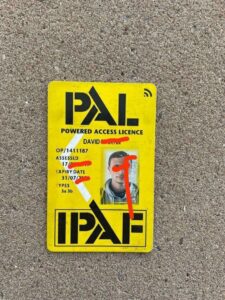
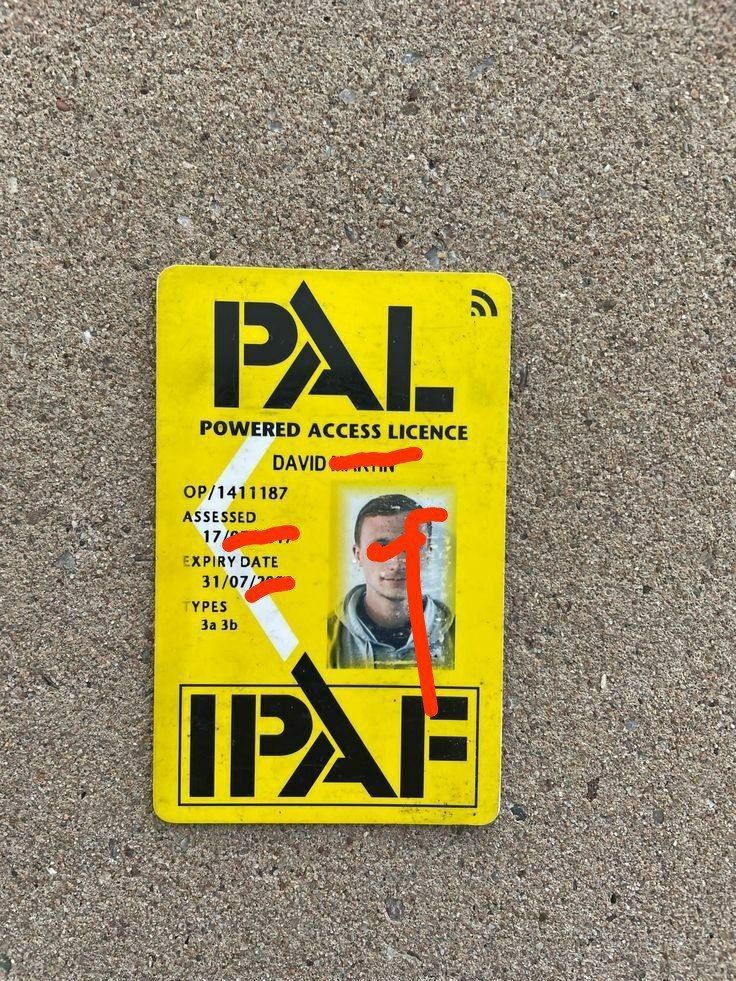
The course fee generally includes both classroom-based theory and practical assessments, ensuring that candidates understand safety procedures, equipment handling, and hazard awareness. After successful completion, participants receive a PAL card, which acts as proof of qualification and is widely recognised across the construction and maintenance industries.
More advanced training, such as courses for supervisors or instructors, can cost between £300 and £600 depending on the level of expertise required. Additionally, the licence is valid for five years, after which a renewal course is needed, usually at a similar or slightly reduced cost.
Overall, while prices can vary, a powered access licence is considered a worthwhile investment for improving job prospects and ensuring safe working practices in the UK.