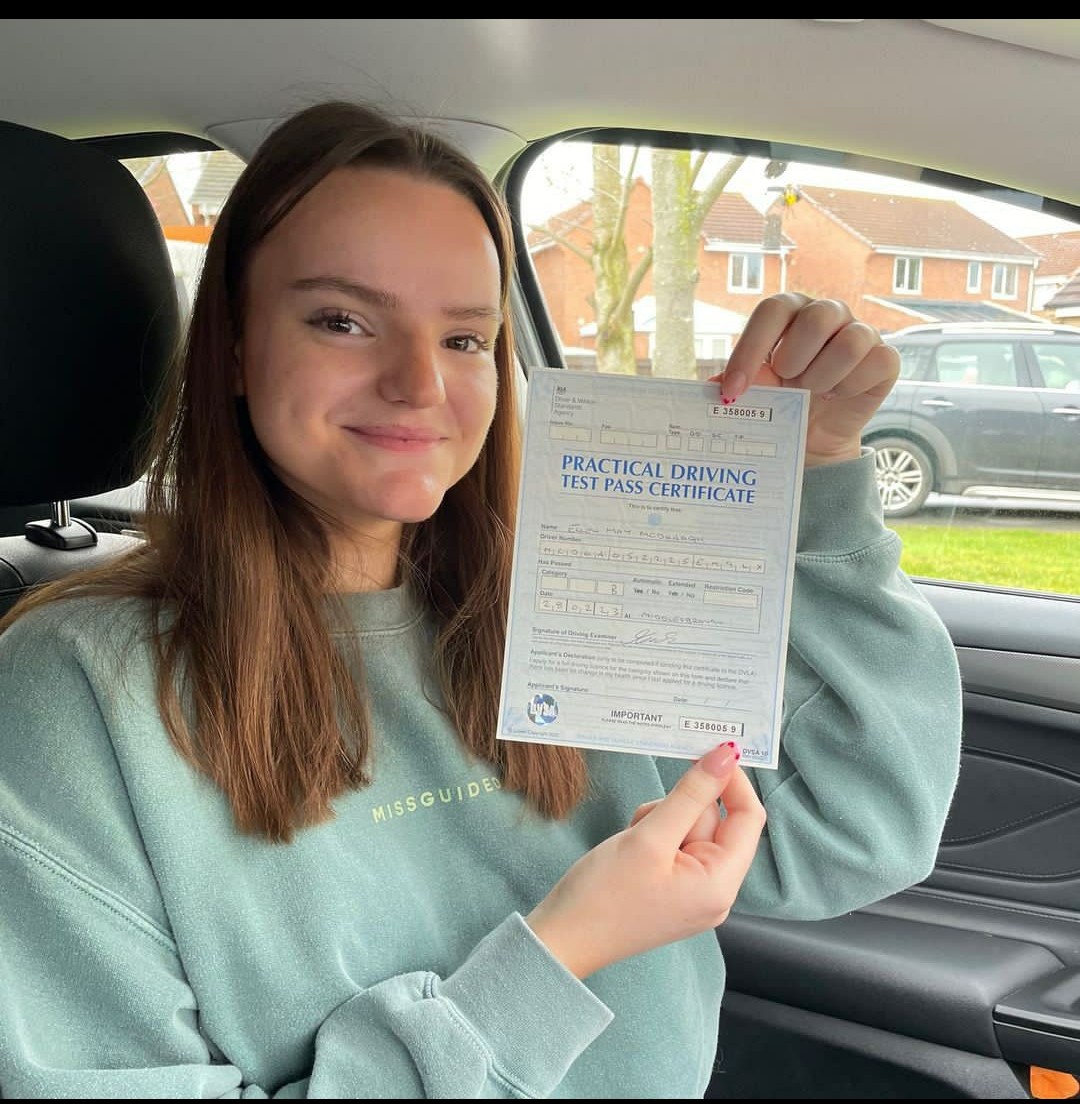
Practical certificate
£300.00
The HGV practical test (often called the “practical pass”) in the UK is the final step to prove you can safely drive a heavy goods vehicle in real conditions. Passing it means you’re qualified to operate large trucks on the road.
Here’s a detailed but easy-to-understand explanation:
🚛 1. Who Conducts the Test
The practical test is organized by the Driver and Vehicle Standards Agency (DVSA).
🧪 2. Parts of the HGV Practical Test
The test is divided into two main parts:
🔁 A. Off-Road Exercises (Module 3a)
This part tests your control of the vehicle in a safe area (not on public roads).
You’ll be asked to:
Reverse into a marked bay (very important skill)
Perform an S-shaped reverse maneuver
Show proper control and accuracy
👉 You may also be tested on uncoupling and recoupling a trailer (for Category C+E).
🚦 B. On-Road Driving Test (Module 3b)
This is the real driving part on public roads.
It lasts about 60–90 minutes and includes:
City driving
Dual carriageways or highways
Roundabouts and junctions
The examiner watches how you:
Handle the large vehicle
Follow traffic rules
React to other road users
👀 3. What the Examiner Is Looking For
You’ll be assessed on:
Control – smooth steering, braking, and gear use
Observation – checking mirrors and awareness of surroundings
Positioning – staying correctly in your lane
Decision-making – safe reactions in traffic
Confidence – calm and controlled driving
📋 4. Show Me, Tell Me Questions
At the start, you’ll be asked safety questions such as:
“Show me how you check the horn works”
“Tell me how you’d check the brakes before a journey”
These test your knowledge of vehicle safety checks.
❌ 5. Faults and Marking
There are three types of faults:
Minor faults – small mistakes (you can have several)
Serious faults – dangerous or unsafe actions
Dangerous faults – immediate risk to safety
👉 You will fail if you make even one serious or dangerous fault.
⏱️ 6. Duration
Off-road test: about 30 minutes
On-road test: about 1–1.5 hours
🏁 7. Passing the Test
If you pass:
You receive a pass certificate
Your HGV licence is updated
You can move on to the Driver CPC (if working professionally)
⚠️ 8. Common Reasons People Fail
Poor mirror use (very common)
Bad reversing control
Not checking blind spots
Taking turns too fast or too wide
Hesitation or unsafe decisions
💡 9. Tips to Pass
Practice reversing until you’re very confident
Always check mirrors before changing speed or direction
Take your time—don’t rush
Stay calm, even if you make a small mistake
Think like a professional driver, not a car driver
🎯 Why the Practical Test Matters
Driving an HGV is a big responsibility:
Vehicles are large and harder to stop
Mistakes can cause serious accidents
You may carry heavy or dangerous loads
This test ensures you are truly ready for real-world driving.
Description
The HGV practical test (often called the “practical pass”) in the UK is the final step to prove you can safely drive a heavy goods vehicle in real conditions. Passing it means you’re qualified to operate large trucks on the road.
Here’s a detailed but easy-to-understand explanation:
🚛 1. Who Conducts the Test
The practical test is organized by the Driver and Vehicle Standards Agency (DVSA).
🧪 2. Parts of the HGV Practical Test
The test is divided into two main parts:
🔁 A. Off-Road Exercises (Module 3a)
This part tests your control of the vehicle in a safe area (not on public roads).
You’ll be asked to:
Reverse into a marked bay (very important skill)
Perform an S-shaped reverse maneuver
Show proper control and accuracy
👉 You may also be tested on uncoupling and recoupling a trailer (for Category C+E).
🚦 B. On-Road Driving Test (Module 3b)
This is the real driving part on public roads.
It lasts about 60–90 minutes and includes:
City driving
Dual carriageways or highways
Roundabouts and junctions
The examiner watches how you:
Handle the large vehicle
Follow traffic rules
React to other road users
👀 3. What the Examiner Is Looking For
You’ll be assessed on:
Control – smooth steering, braking, and gear use
Observation – checking mirrors and awareness of surroundings
Positioning – staying correctly in your lane
Decision-making – safe reactions in traffic
Confidence – calm and controlled driving
📋 4. Show Me, Tell Me Questions
At the start, you’ll be asked safety questions such as:
“Show me how you check the horn works”
“Tell me how you’d check the brakes before a journey”
These test your knowledge of vehicle safety checks.
❌ 5. Faults and Marking
There are three types of faults:
Minor faults – small mistakes (you can have several)
Serious faults – dangerous or unsafe actions
Dangerous faults – immediate risk to safety
👉 You will fail if you make even one serious or dangerous fault.
⏱️ 6. Duration
Off-road test: about 30 minutes
On-road test: about 1–1.5 hours
🏁 7. Passing the Test
If you pass:
You receive a pass certificate
Your HGV licence is updated
You can move on to the Driver CPC (if working professionally)
⚠️ 8. Common Reasons People Fail
Poor mirror use (very common)
Bad reversing control
Not checking blind spots
Taking turns too fast or too wide
Hesitation or unsafe decisions
💡 9. Tips to Pass
Practice reversing until you’re very confident
Always check mirrors before changing speed or direction
Take your time—don’t rush
Stay calm, even if you make a small mistake
Think like a professional driver, not a car driver
🎯 Why the Practical Test Matters
Driving an HGV is a big responsibility:
Vehicles are large and harder to stop
Mistakes can cause serious accidents
You may carry heavy or dangerous loads
This test ensures you are truly ready for real-world driving.
Reviews
There are no reviews yet.