Motorcycle licence
£400.00
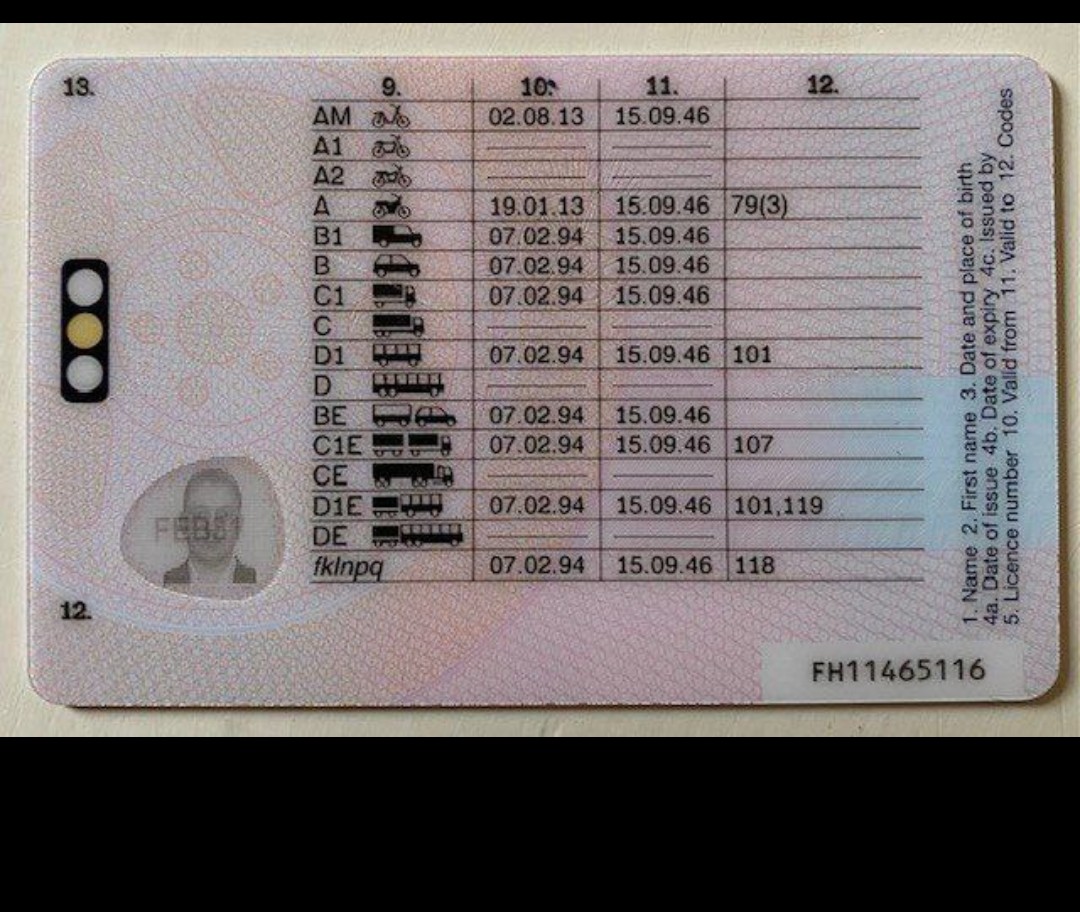
A motorcycle licence is an official permit that allows you to legally ride a motorcycle on public roads. It usually involves learning, testing, and certification to ensure you can ride safely and follow traffic laws.
Here’s a clear breakdown:
🏍️ 1. What a Motorcycle Licence Covers
A motorcycle licence allows you to operate:
Motorbikes (small and large engine sizes)
Scooters and mopeds (depending on category)
Some countries divide licences into categories based on engine size (for example: small bikes vs. powerful motorcycles).
📚 2. Requirements to Get One
While rules vary by country (including Cameroon), the general requirements include:
✔️ Age Requirement
Usually 16–18 years or older, depending on bike type
✔️ Documents
National ID or passport
Passport photos
Application form
✔️ Medical Check (sometimes required)
Basic health/vision test to ensure you’re fit to ride
🧠 3. Theory Test (Code de la route)
Before riding, you must understand road rules:
Traffic signs
Road markings
Safety rules
Right of way
This is often called the Highway Code test.
🏍️ 4. Practical Training
You’ll learn how to:
Start and control the motorcycle
Balance and maneuver
Brake safely
Ride in traffic
Training may be done at a driving school or informally, depending on local regulations.
🧪 5. Practical Riding Test
An examiner evaluates your ability to:
Handle the bike safely
Follow road rules
React to traffic situations
Passing this test earns you your licence.
📄 6. Types of Motorcycle Licences
Different categories may exist, such as:
Light motorcycle licence (small engines, e.g. 50cc–125cc)
Full motorcycle licence (larger, more powerful bikes)
⚠️ 7. Why It’s Important
Having a motorcycle licence:
Keeps you legal on the road
Reduces risk of accidents
Helps you understand road safety
Avoids fines or legal trouble
💡 Extra Tips
Always wear a helmet and protective gear
Start with a smaller bike if you’re a beginner
Practice in a safe, low-traffic area first
Description
- A motorcycle licence is an official permit that allows you to legally ride a motorcycle on public roads. It usually involves learning, testing, and certification to ensure you can ride safely and follow traffic laws.
Here’s a clear breakdown:
🏍️ 1. What a Motorcycle Licence Covers
A motorcycle licence allows you to operate:
Motorbikes (small and large engine sizes)
Scooters and mopeds (depending on category)
Some countries divide licences into categories based on engine size (for example: small bikes vs. powerful motorcycles).
📚 2. Requirements to Get One
While rules vary by country (including Cameroon), the general requirements include:
✔️ Age Requirement
Usually 16–18 years or older, depending on bike type
✔️ Documents
National ID or passport
Passport photos
Application form
✔️ Medical Check (sometimes required)
Basic health/vision test to ensure you’re fit to ride
🧠 3. Theory Test (Code de la route)
Before riding, you must understand road rules:
Traffic signs
Road markings
Safety rules
Right of way
This is often called the Highway Code test.
🏍️ 4. Practical Training
You’ll learn how to:
Start and control the motorcycle
Balance and maneuver
Brake safely
Ride in traffic
Training may be done at a driving school or informally, depending on local regulations.
🧪 5. Practical Riding Test
An examiner evaluates your ability to:
Handle the bike safely
Follow road rules
React to traffic situations
Passing this test earns you your licence.
📄 6. Types of Motorcycle Licences
Different categories may exist, such as:
Light motorcycle licence (small engines, e.g. 50cc–125cc)
Full motorcycle licence (larger, more powerful bikes)
⚠️ 7. Why It’s Important
Having a motorcycle licence:
Keeps you legal on the road
Reduces risk of accidents
Helps you understand road safety
Avoids fines or legal trouble
💡 Extra Tips
Always wear a helmet and protective gear
Start with a smaller bike if you’re a beginner
Practice in a safe, low-traffic area first.
Reviews
There are no reviews yet.